Before arrival
Prepare guests with onboarding, check-in expectations, and essential instructions.
Helios Guest, freelance client
Service design for hospitality operations
A centralized companion platform for guest onboarding, check-in support, local services, and host operations.

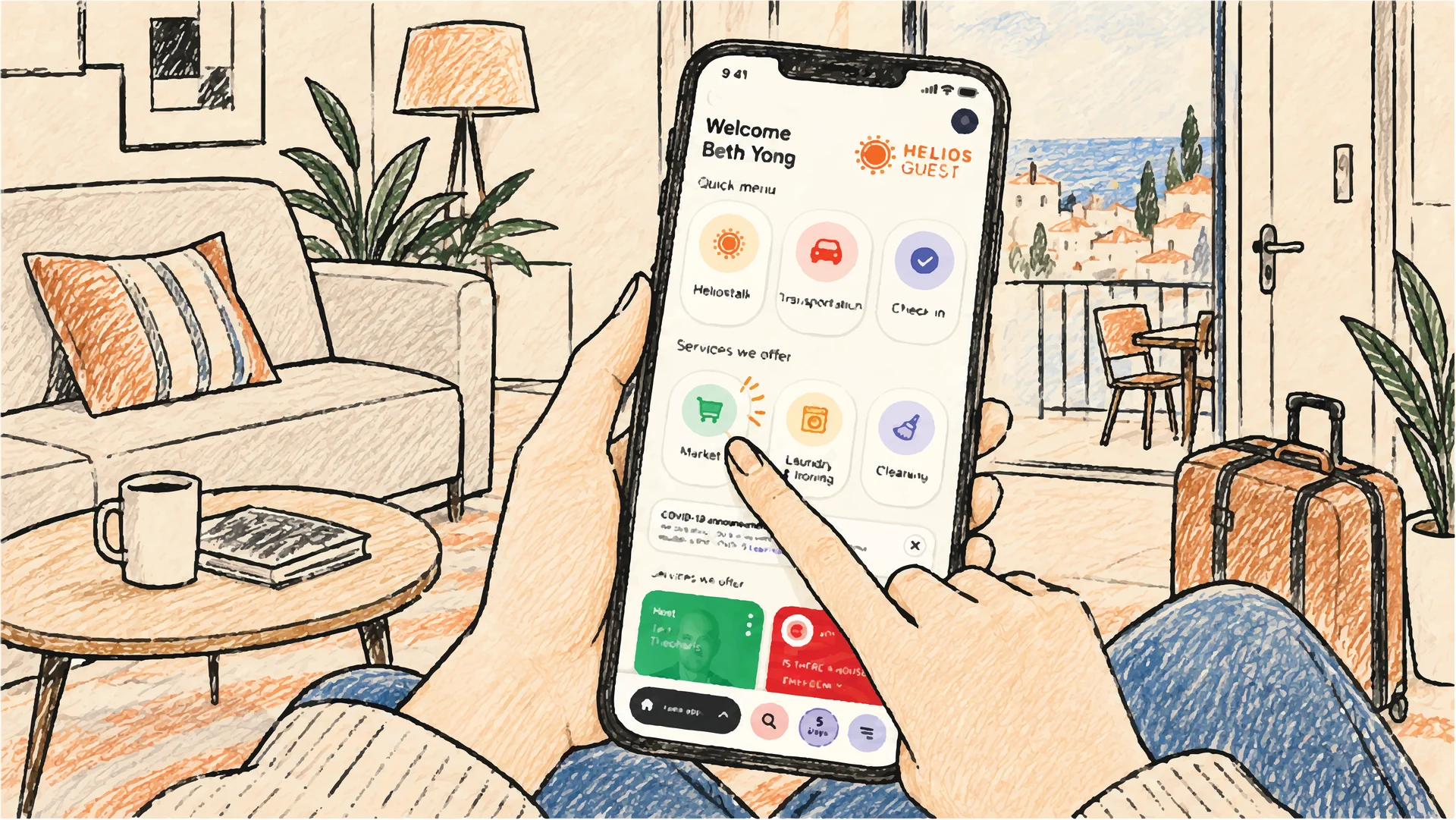
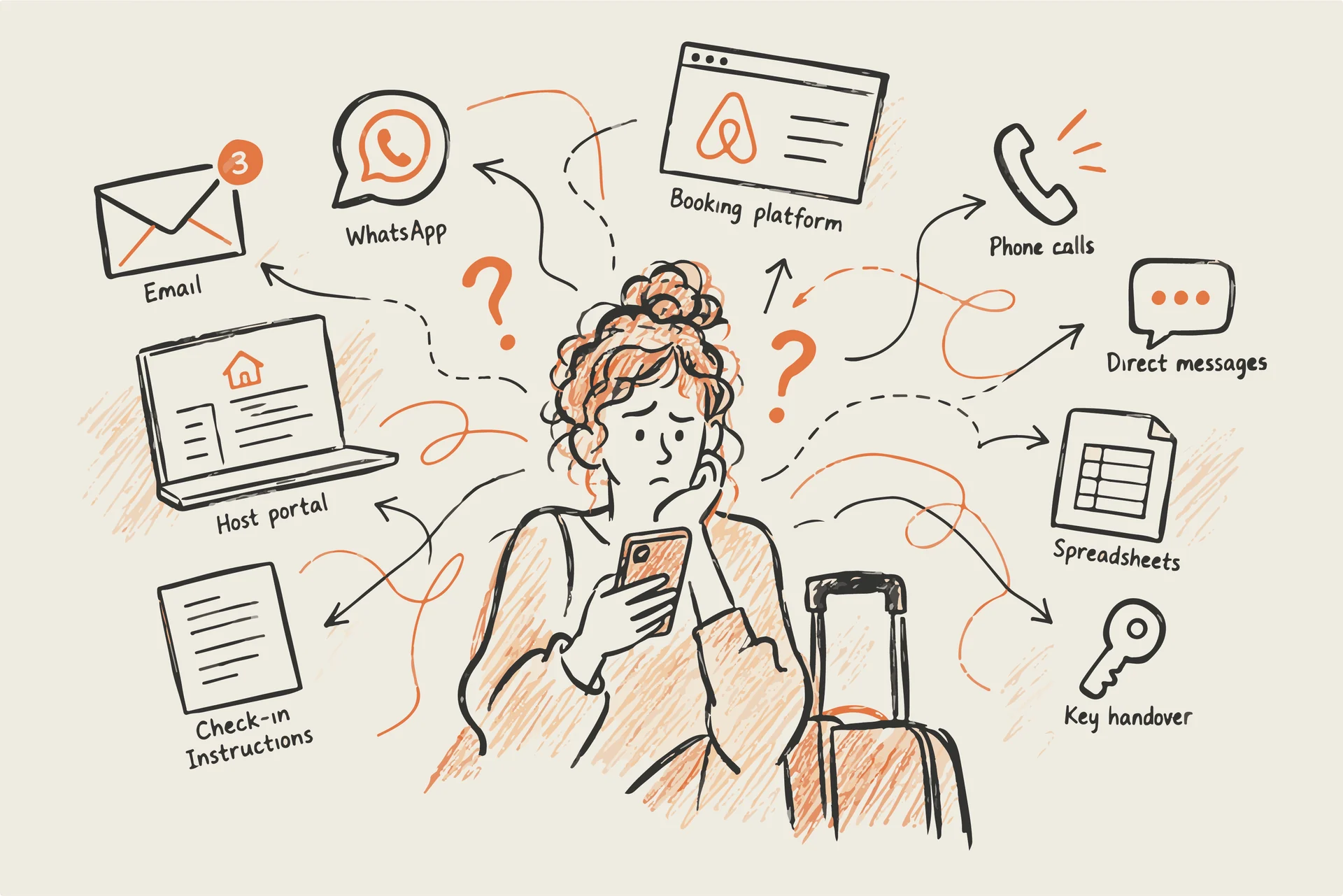
Property hosts were managing arrival instructions, apartment guidance, service coordination, and urgent guest questions across booking platforms, messages, PDFs, calls, and physical notes. Every scattered touchpoint added work for hosts and uncertainty for visitors.
The project shaped those disconnected tasks into one hospitality companion. Service mapping, workshops, and MVP prioritization focused the product on the moments that reduced repetitive support and helped guests find essential information during their stay.
"The challenge was not designing another hospitality app. The challenge was orchestrating fragmented guest experiences, operational workflows, and platform limitations into one coherent system."
Property hosts were losing time to repetitive operational tasks: onboarding, apartment instructions, emergency communication, appliance guidance, service coordination, and check-in logistics. Guests needed the same information, but it was spread across messaging apps, PDFs, booking platforms, phone calls, and physical notes.
The opportunity was not just convenience. It was reducing operational friction across the entire guest journey while giving hosts a more scalable way to support visitors.
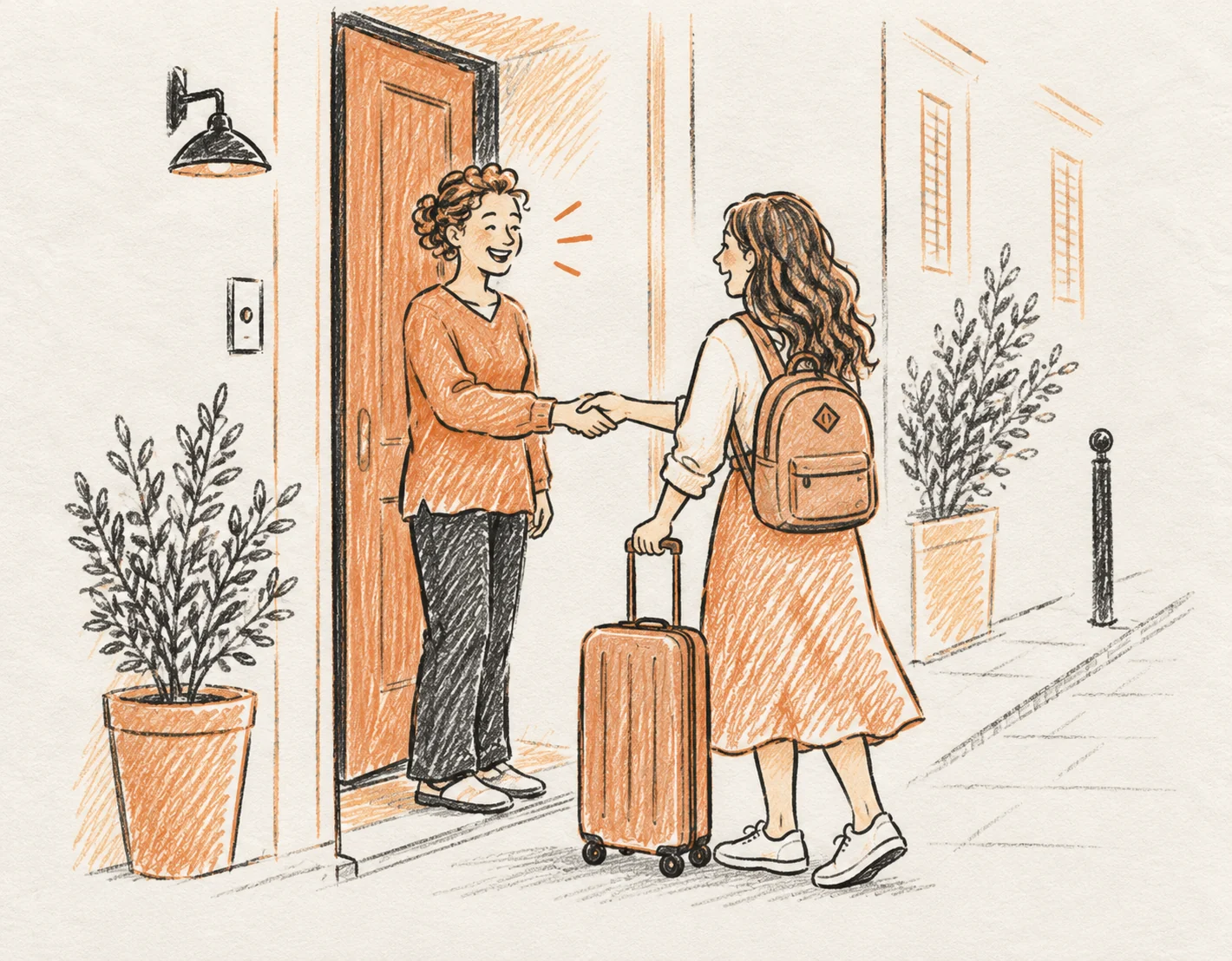
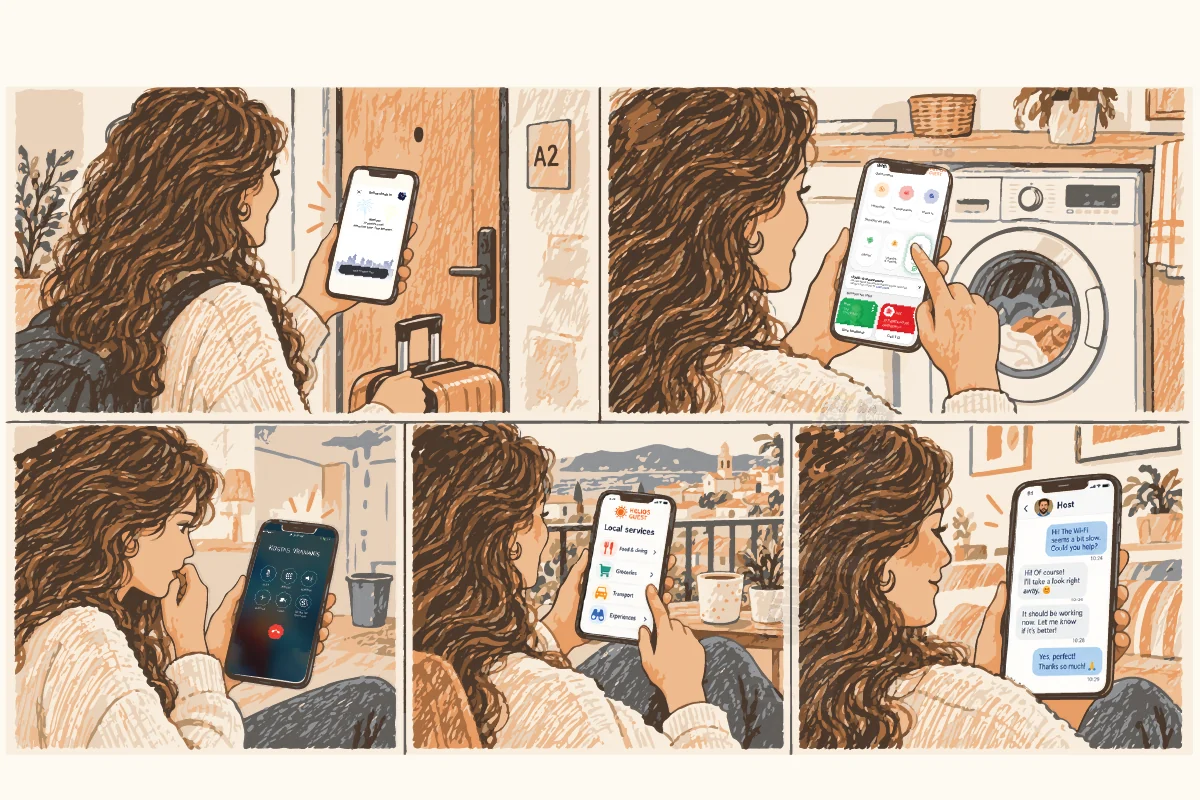
Helios Guest was designed as a centralized hospitality companion that supported the guest before arrival, during check-in, throughout the stay, and during service interactions.
The harder problem was orchestration. The platform had to work around booking systems, property workflows, service providers, onboarding needs, and communication restrictions. Some booking platforms limited when guests could receive external links. Others introduced communication patterns that affected timing and trust.
That reality forced the strategy to evolve around platform constraints rather than ideal product assumptions.
Operational UX is often about designing around constraints, not eliminating them. The product became stronger when the MVP focused on the flows that reduced real support effort instead of trying to include every hospitality idea at once.
Local event integrations, entertainment recommendations, and dynamic city exploration were deprioritized because they increased implementation complexity without enough MVP value. The team focused on guest onboarding, check-in efficiency, support accessibility, and critical apartment guidance.
The development team worked remotely from another country with limited English proficiency. That created risk around interpretation, implementation details, and workflow ambiguity. Wireframes, paper prototypes, and visual workshops became essential alignment tools.
In several moments, simple sketches worked better than polished artifacts because they reduced translation friction and helped stakeholders make decisions faster.
The interaction strategy prioritized low cognitive load, fast access to critical information, and support during stressful or time-sensitive moments. Visual desirability mattered, but early product decisions prioritized usability and operational clarity first.
Prepare guests with onboarding, check-in expectations, and essential instructions.
Give guests quick access to apartment guidance, support, and services.
Reduce repeated explanations and centralize operational communication.

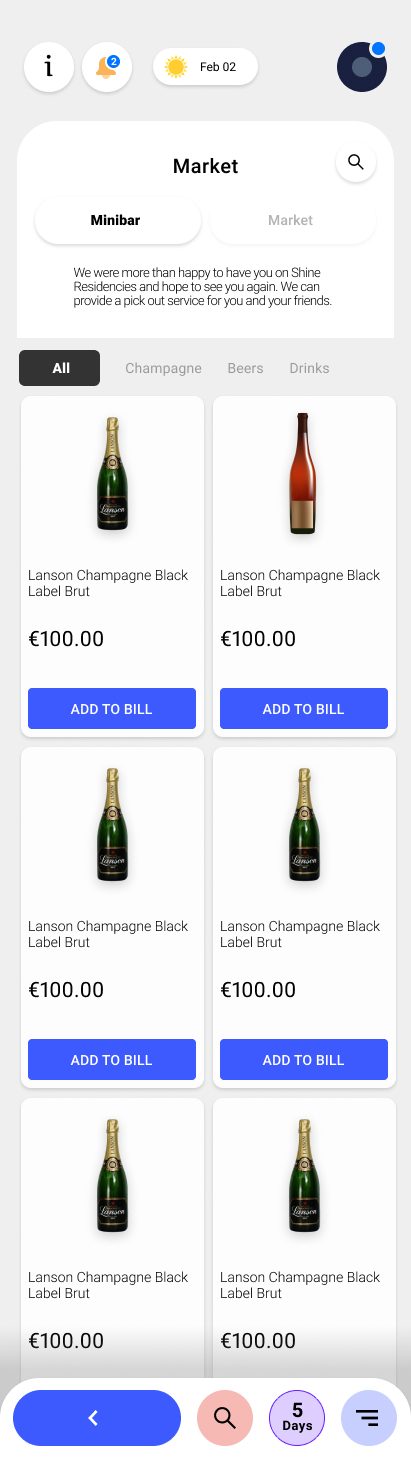
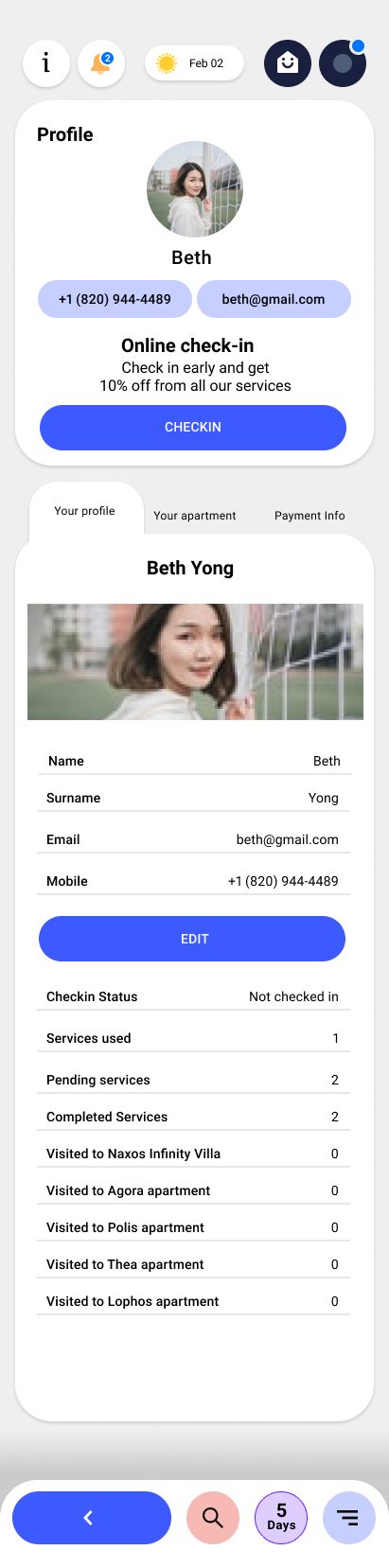
I covered product strategy, UX design, and product definition, working with the business stakeholder, the development team, and end users to turn fragmented hospitality workflows into one service ecosystem.
Tasks that previously required repeated messages, physical check-ins, manual explanations, and direct support became centralized through the platform. Internal estimates suggested operational support time decreased by more than 50% after implementation.
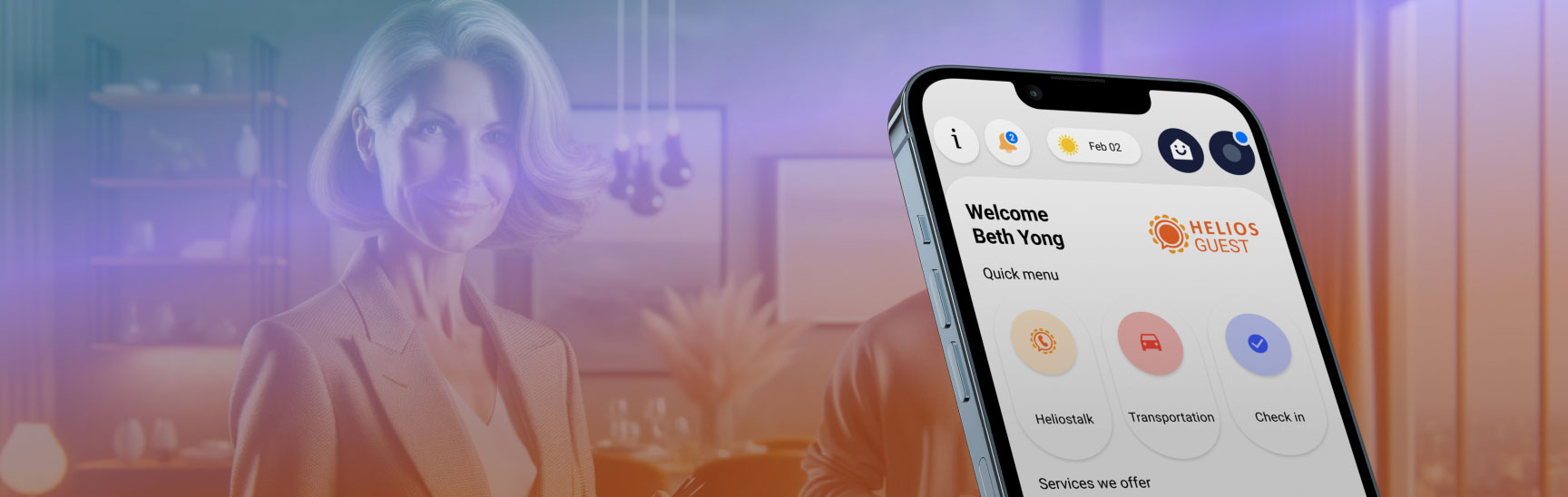
This project changed how I think about product design. Digital products rarely exist in isolation; they are shaped by systems, platforms, stakeholders, and operational workflows. If revisiting the project today, I would run deeper field research, expand guest interviews, and establish a design system earlier.
Helios Guest was developed as a freelance hospitality technology project. Some operational details, visuals, and implementation specifics have been generalized or omitted for confidentiality purposes.