Swipe Surveys, freelance concept
Product strategy for a research MVP
Designing an engagement-driven research platform under startup ambiguity
A mobile research product concept built around swipe-based participation, motivation, and fast MVP learning.

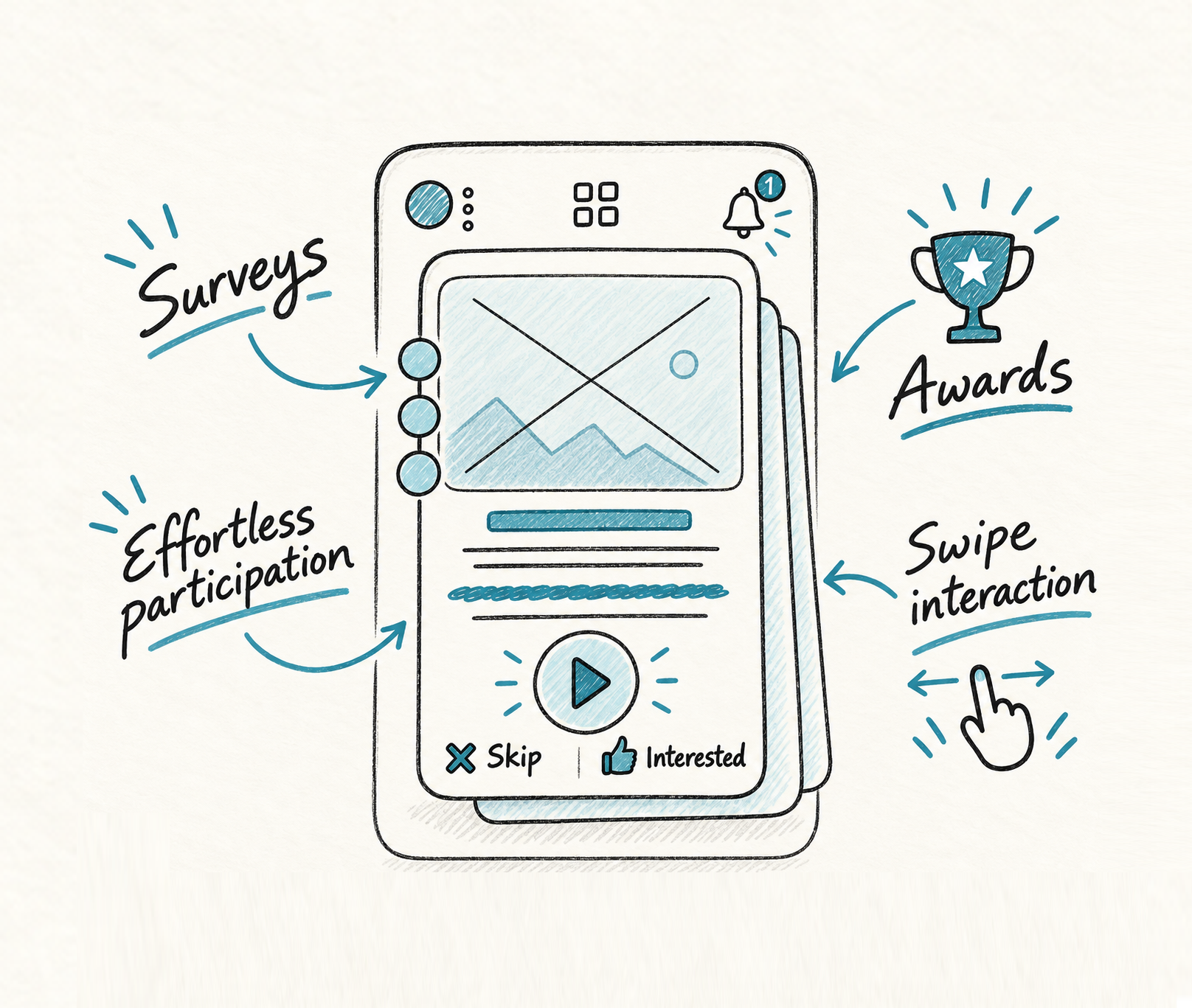
Traditional survey tools often ask for sustained attention while offering little sense of momentum or reward. This project began with a broad startup opportunity and no settled brand, feature set, product structure, or market position.
Workshops, proto-personas, competitive research, and user testing turned that ambiguity into an engagement-focused mobile concept. Swipe interaction became the central behavior, giving the MVP a clear way to make participation feel lighter and faster.
"The challenge was not simply building another survey platform. The challenge was making participation feel effortless in an industry where user engagement was traditionally low."
The starting point
The product had to be defined while it was being designed
The project began with a business opportunity rather than a fully formed product. Traditional survey platforms suffered from low engagement, slow participation, and weak motivation. The startup wanted to explore whether survey participation could feel lighter, faster, and more rewarding.
That meant strategy, UX, brand, feature definition, and validation had to evolve together.
Reframing participation
The swipe became the engagement engine
Instead of treating surveys as long-form tasks, we explored lightweight interaction patterns inspired by social products. The core concept focused on swipe-based decisions, reduced cognitive effort, and quick momentum from browsing to participation.
The interaction pattern was not just a visual metaphor. It shaped the product name, motion language, and the way users understood participation.
Defining under ambiguity
Assumptions needed structure before they could be tested
The team had to understand the market, define the product, identify users, shape the brand, and evaluate feasibility at the same time. Proto-personas helped turn uncertain assumptions into clearer hypotheses about motivation, reward expectations, and participation behavior.
The product evolved through collaborative workshops and iterative validation instead of a fixed initial roadmap.
Competitive opportunity
Experience became the differentiation strategy
Research showed that many survey tools felt static, repetitive, and disconnected from user motivation. Swipe Surveys positioned user experience as the primary differentiator: lighter interactions, clearer rewards, faster participation, and a brand language connected to motion.
Startup alignment
Co-creation helped reduce product uncertainty
The small team structure created flexibility, but also ambiguity. Figma became a shared decision-making space where stakeholders could discuss flows, feature trade-offs, visual identity, and implementation feasibility together.
The process emphasized co-creation and shared ownership instead of presenting finished solutions too late.
MVP thinking
Focus the product around the most differentiating behavior
The original vision included advanced rewards, profile management, survey administration, analytics, and broader engagement mechanics. Building everything at once would delay validation and increase coordination complexity.
The MVP focused on the swipe interaction, survey participation, reward visibility, and core engagement flows. That helped the team validate the product's most distinctive experience first.
My role
Strategy, UX, brand, testing, and delivery alignment
My role covered product strategy, UX design, branding, workshop facilitation, interaction design, user testing, research, and developer handoff. I helped shape the product direction, define the visual identity, and turn business ideas into a scalable mobile product concept.
Testing and validation
Observe motivation, not just task completion
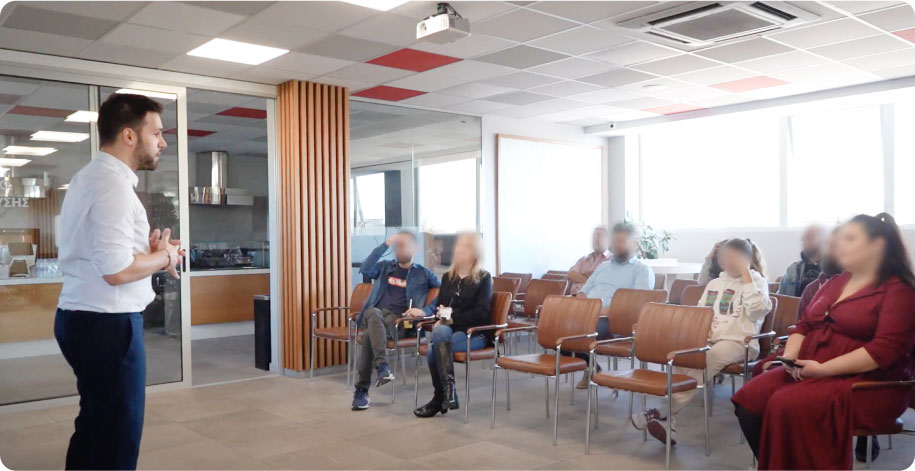
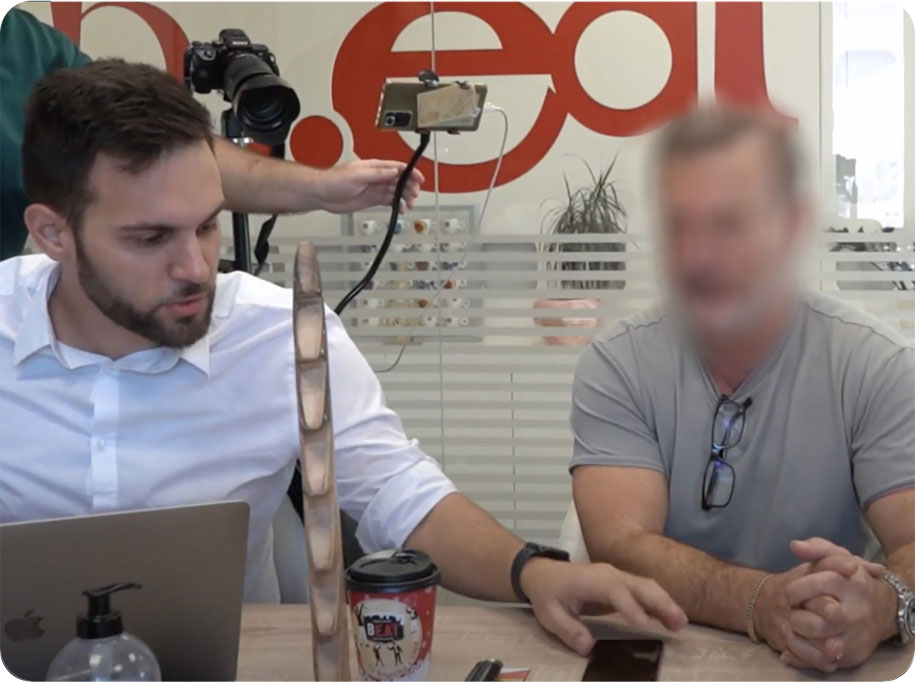
Testing sessions evaluated engagement behavior, usability, interaction clarity, and perceived motivation with participants from different backgrounds. Stakeholders observed sessions so assumptions could be challenged quickly and decisions could evolve in real time.
The strongest value came from connecting user behavior, business expectations, and technical feasibility in the same feedback loop.
Outcome
A mobile research concept built around participation momentum
The project resulted in a fully designed mobile survey platform, an interaction-driven brand identity, and a validated MVP concept focused on engagement-first research participation.
The broader lesson was that behavioral UX patterns can reshape participation models in traditionally low-engagement environments.
Reflection
This project reinforced that startup design often means operating beyond interface creation: facilitating alignment, shaping strategy, reducing ambiguity, and helping define the product itself. The most useful insight was seeing how interaction patterns influence motivation, not only visual perception.
Swipe Surveys was developed as a freelance startup product concept. Some implementation details, business information, and visuals have been generalized or omitted for confidentiality purposes.